The best things to do in Kampot are the countryside loop (salt fields, La Plantation pepper farm, Secret Lake and the Phnom Chhngok cave temple), a sunset on the river, a day up Bokor mountain and a crab lunch in Kep. Two or three days covers all of it comfortably. Below are 20 things we'd actually recommend, grouped by area, with when to go, what they cost and an honest word on what's overrated.
On this page
If you only have a day or two
- One day: the countryside in the morning, crab in Kep at lunch, the salt fields on the way back.
- Two days: add Bokor on whichever morning looks clearer, and a river sunset in the evening.
- Three days or more: slow down with the river, Kep National Park or Rabbit Island.
Our how many days in Kampot guide has these as timed itineraries.
The countryside
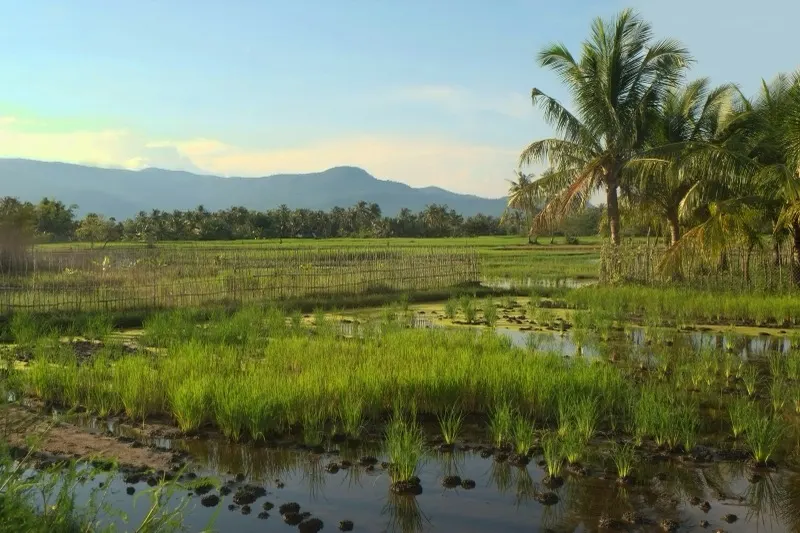
This is the Kampot most visitors come for: flat rice fields, sugar palms, pepper vines and limestone hills, all within about half an hour of town. A tuk-tuk is the natural way to see it. The four classic stops fit into a four- to five-hour loop; our Kampot countryside guide goes into each in detail.
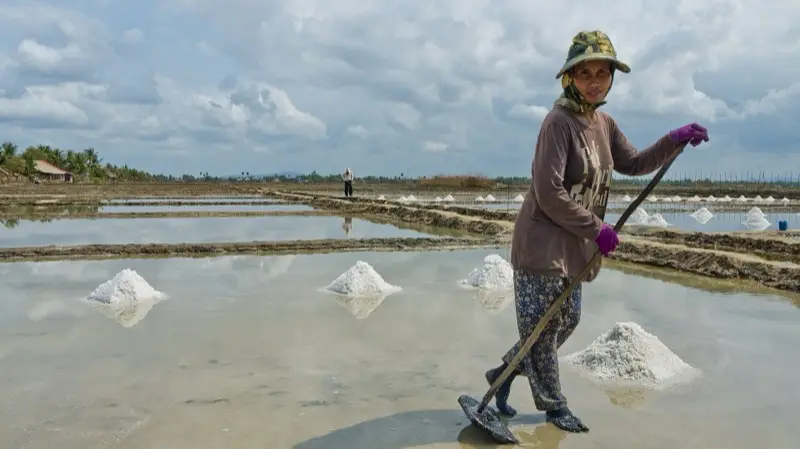
1. Watch the salt harvest
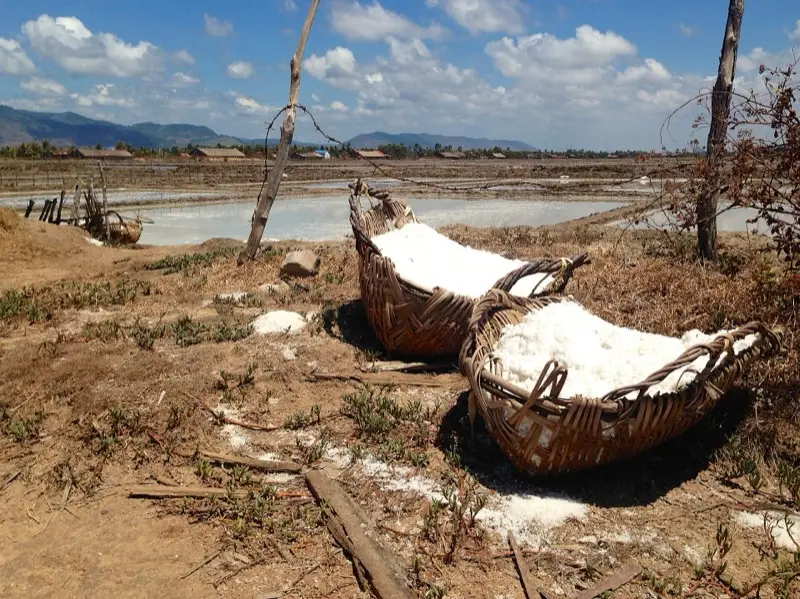
A few kilometres out on the Kep road, around 200 families work shallow sea-salt pans by hand. The harvest runs roughly January to April or May, peaking in March and April, and the best moment is late afternoon, when workers carry baskets along the dykes. Free. Ask before walking on the dykes or photographing anyone.
Overrated when: May to November. The pans are flooded or idle, so it's a five-minute photo stop, not a sight.
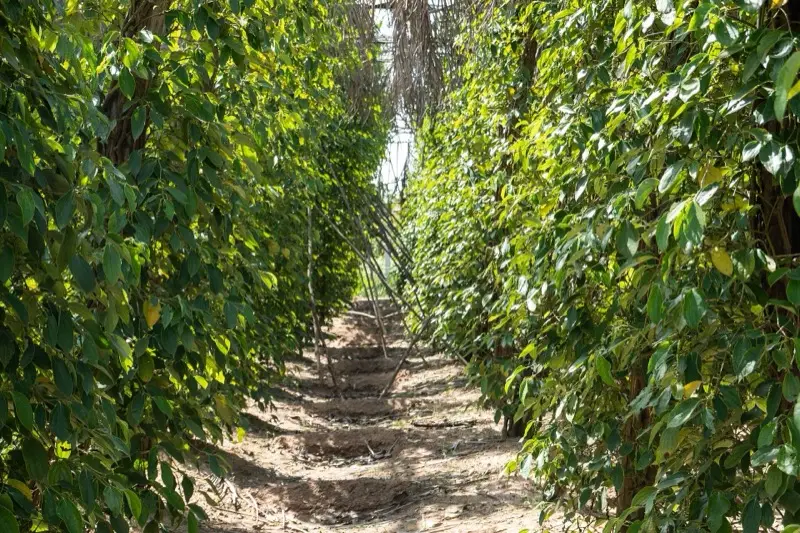
2. Taste pepper at La Plantation
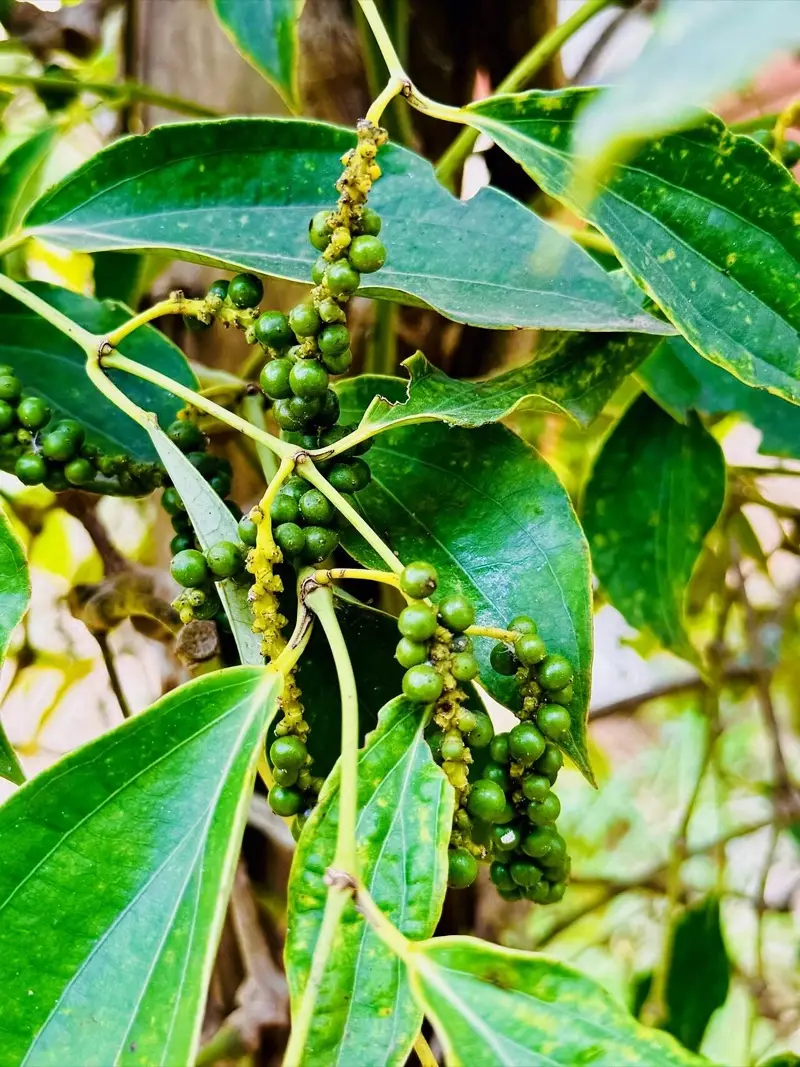
Kampot pepper has had EU protected status since 2016, and La Plantation is the farm to see it at: a walk through the vines and a tasting of green, black, red and white pepper. Open daily 9am–6pm, last visit 4pm, entry about $2.50 as a voucher you can spend at the farm. From October to March, book a slot online in advance. Tours run in English, French or Khmer. The restaurant (7am–3pm) does Kampot-pepper ice cream.
Other farms: BoTree offers a free tour and tasting, and Sothy's on the Kep side has long offered a free tour of about 45 minutes. If a shared tour says "pepper farm", ask which one.
3. Hear the story of Secret Lake
Next to La Plantation, a calm reservoir in the rice fields. It was dug by forced labour under the Khmer Rouge in the late 1970s. Without that story it's just a pretty lake; with it, it's one of the most meaningful stops in Kampot. No fee. Fullest in October and November, best in late-afternoon light. Please be respectful here.
4. Climb to the Phnom Chhngok cave temple
About 8 km from town, a 7th-century brick temple to Shiva sits inside a limestone cave. Roughly 200 steps, a fee of about $1–2, and about an hour there. Go in the morning, bring a phone light and cover shoulders and knees. Local kids often guide you for a small tip.
5. Get lost on the village roads
Between the sights are stilt houses, sugar-palm groves and rice fields that turn bright green in the rainy season. Some of the best moments come from stopping wherever something interesting is happening. If you've done the classic stops, ask a guide for a village day, or for the caves of Phnom Sorsia, about 18 km east.
On the river
6. Take a sunset boat
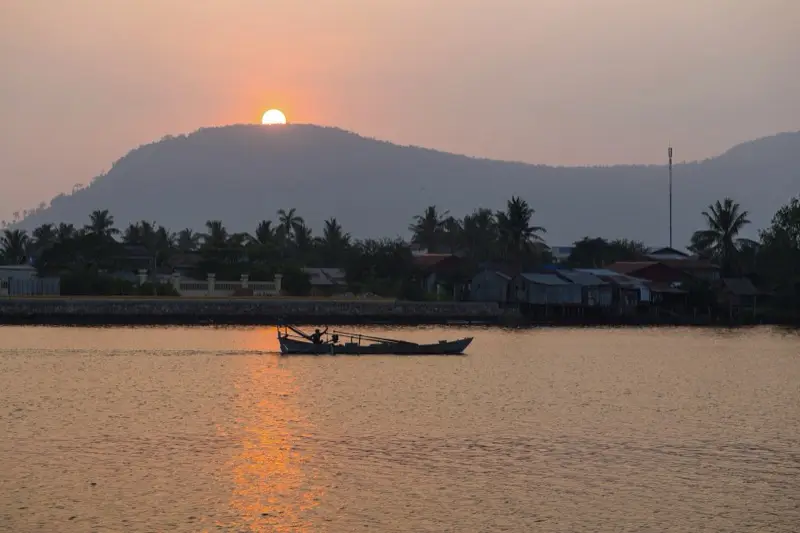
Shared boats board around 5–5:30pm from the riverside and take about two hours, costing roughly $5–10 per person, often with a drink (see our river cruise guide). Private boats run about $40–70. It's an easy, lovely evening. Our Kampot river sunset cruise guide covers boats, fireflies and kayaking in detail.
Overrated if: you're going only for the fireflies. They're not guaranteed. Go for the sunset.
7. Paddle upriver
Several guesthouses and operators upriver rent kayaks and paddleboards or run trips, including to the "Green Cathedral", a shaded side channel. Go early morning or late afternoon, when the water is calm and the sun is low.
8. Hang out at Teuk Chhou rapids
About 9 km north of town, a local picnic spot with hammock huts by the water. Expect an informal entry fee of about $1 and $1–2 to rent a hut. It's where Kampot families go at weekends, which is the charm.
Overrated if: you expect white water. The rapids are gentle, and slow in the dry season.
Bokor National Park
Bokor rises right behind Kampot: about 37–40 km to the plateau, roughly an hour to an hour and a half by tuk-tuk, and a full day of six to seven hours. There is no entrance fee (it was scrapped in 2017). It's 6–7 °C cooler at the top, so bring a jacket. Read Bokor by tuk-tuk before you go.
9. Ride up the mountain
The road climbs through jungle in a series of hairpins, with the coast opening up below. In an open tuk-tuk, the ride is half the experience. Start around 8am and be down before dark.
10. Explore the old hill station
The 1920s French church (you can go inside), the shell of King Sihanouk's Black Palace, the Wat Sampov Pram pagoda and the 29-metre Lok Yeay Mao statue. Le Bokor Palace, built in 1925, is a working luxury hotel today, so non-guests see it from outside.
11. See Popokvil waterfall
A two-tier waterfall at its best from about May to October. In the dry season it's often a trickle.
Overrated when: the plateau is in thick fog. Views can vanish for hours. Dry-season mornings, especially December to February, are clearest. And ignore any talk of a cable car: there isn't one.
Kep side-trips
Kep is 25 km away, 35–45 minutes by tuk-tuk, and most people combine it with the countryside in one day. See Kampot to Kep by tuk-tuk, or Kampot or Kep? if you're deciding where to stay.
12. Eat crab at the Kep crab market
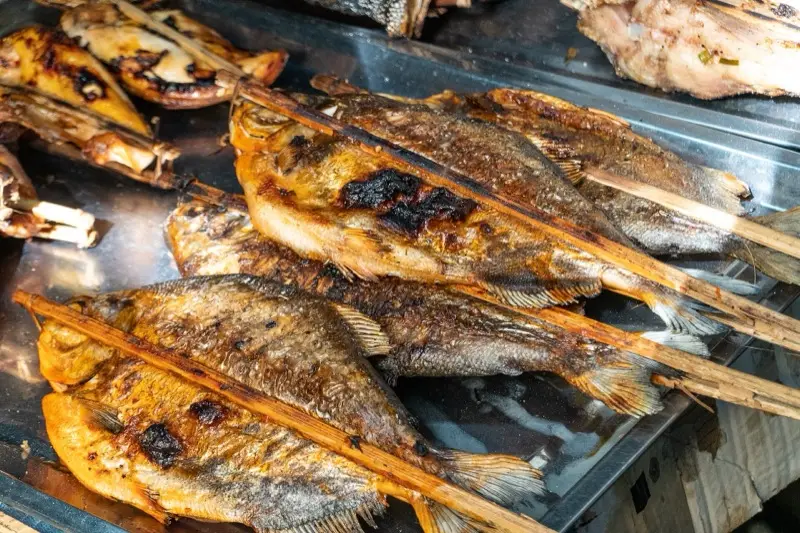
Crab is sold live by the kilo and cooked to order, classically with fresh green Kampot pepper. A meal for two with crab, extras, rice and drinks typically runs $20–30. Agree the full price, cooking included, before you order.
13. Walk in Kep National Park
An 8 km loop, now mostly a concrete path, with viewpoints like Sunset Rock. Foreigners pay about $1. On a day trip, a short section is enough.
14. Walk the seafront and old Kep
Kep was founded as a seaside resort in 1908, and its modernist villas date from the 1950s and 60s; some are restored, some still empty. On a clear day you can see Vietnam's Phu Quoc island offshore.
15. Spend a day on Rabbit Island
Koh Tonsay is about 20 minutes by boat from Kep. Shared boats have generally cost around $8–10 return, out in the morning and back mid-afternoon; check current times at the pier. It's a lazy beach day, not a sightseeing trip, and it needs its own day.
Food and drink
16. Eat Kampot pepper in everything
Crab with green pepper, pepper sauces with beef or fish, even pepper ice cream. To take some home, buy it at the farms: La Plantation, or BoTree's shop on Old Market Street.
17. Eat where locals eat
Noodle stalls and market breakfasts cost a fraction of the riverside menus. From about mid-May to July it's durian season; Kampot is proud enough of its durians to have a giant one on the main roundabout. La Plantation also runs a cooking class (book at least 24 hours ahead). Our Kampot food guide lists what to order, where and for how much.
Town and evenings
18. Walk the old town
Kampot's centre is small and easy on foot: old French-era shophouses, the Old Market area, the old bridge and the riverside promenade, best around sunset. The Durian roundabout is lit up at night. Evenings are relaxed: riverside bars and restaurants rather than nightclubs.
19. Visit the provincial museum
A small museum on Riverside Road, around $2, open about 8–11am and 2–5pm. Modest, but useful context, and a good hour in the heat or rain.
When it rains
20. Have a rainy-day plan
From May to October, mornings are usually the best time for outdoor stops. When it pours: the cave at Phnom Chhngok is sheltered inside, La Plantation has its restaurant and cooking class, and there's the museum, the pepper shops, a long crab lunch under a roof, or a massage and a book. Our Kampot rainy-season guide has a full plan, and best time to visit Kampot goes month by month.
What's overrated, in one place
- Salt fields from May to November: no harvest, just flat water.
- Popokvil from December to April: often a trickle.
- Bokor in thick fog: check the sky that morning and be ready to swap days.
- Firefly cruises if fireflies are your only reason; come for the sunset.
- Secret Lake without its story. Go with someone who can tell it.
- "Bokor entrance fee included" on tour listings. There is no fee.
Getting around
Town is walkable, but the sights are spread out. A rented scooter starts at about $5 a day if you're a confident rider. A tuk-tuk is shaded, lets you stop anywhere and comes with someone who knows the roads. Prices are per tuk-tuk, not per person. See Kampot tuk-tuk prices for 2026 ranges.
Ride with Seth
Seth was born in Kampot, has been guiding for 12 years and is rated 5.0 on Tripadvisor. Most of this list fits into his private tuk-tuk days: the Kampot Countryside Tour, the Kampot & Kep Full Day, the Bokor Mountain Day, or your own day built around villages, food and the river. He picks you up at your hotel in Kampot and can book your La Plantation slot. Message Seth for a fixed quote on WhatsApp (+855 96 694 6137).
FAQ
Is Kampot worth visiting?
Yes, if you like slow travel: countryside, a riverside town, a mountain and the sea all within an hour. It's not a party town or a beach resort.
How many days do you need in Kampot?
Two full days covers the countryside, Kep and Bokor. Three lets you add the river or Rabbit Island without rushing.
What is there to do in Kampot at night?
A sunset boat on the river, dinner and drinks along the riverside, and a walk past the lit-up Durian roundabout. Evenings are relaxed rather than loud.
What can you do in Kampot when it rains?
Visit the Phnom Chhngok cave, La Plantation's restaurant or cooking class, the provincial museum and the pepper shops, or have a long crab lunch in Kep. Plan outdoor stops for the morning.