The best time to visit Kampot is December to February: the driest months, with the clearest mornings on Bokor and the salt harvest under way from January. March and April are best for the salt harvest itself, but they're the hottest months. May to October is the green season, with afternoon rain, lush rice fields, a flowing waterfall and fewer visitors, but no salt harvest. Below is what each month is really like, the dates of the big Khmer holidays, and the best time of day for every stop.
On this page
The three seasons in brief
- Cool and dry, about November/December to February. Daytime highs around 30–32 °C, very little rain (21–29 mm a month from December to February), the clearest views. High season, so book La Plantation and popular guesthouses ahead.
- Hot, about March to May. The hottest stretch, with highs of 32–33.5 °C. The salt harvest peaks in March and April and pepper picking begins. Showers return in April.
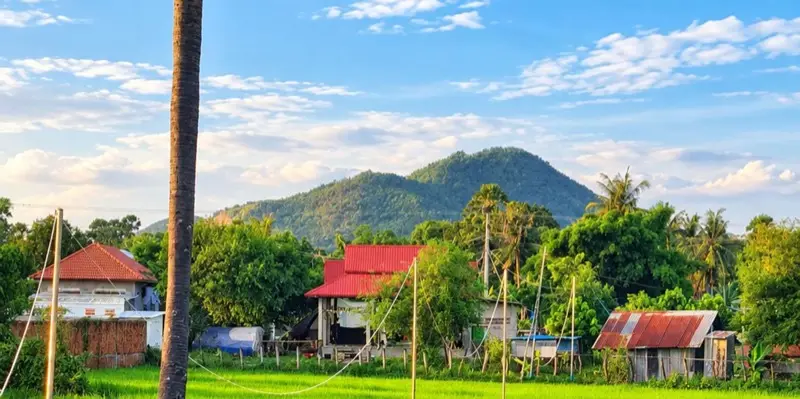
- Green season, about May to October. Still hot, but with regular showers, often in the afternoon. Rain peaks in August. Everything is green, Popokvil waterfall flows and the salt pans are idle.
Rainfall figures here are long-term averages for Kampot (WMO, 1982–2024). Any single year can be wetter or drier.
Kampot month by month
| Month | Rain / high | Crowds | What's good | Watch out for |
|---|---|---|---|---|
| January | 24 mm / 31 °C | High season | Dry, clear Bokor mornings; salt harvest starting | Book La Plantation; Popokvil weak |
| February | 21 mm / 32 °C | High season | Driest month; salt harvest under way | Book La Plantation; Popokvil a trickle |
| March | 83 mm / 32 °C | Busy, thinning | Salt harvest peak; pepper picking starts (March or April) | Heat building; La Plantation booking until end of March |
| April | 124 mm / 33 °C | Quieter, except Khmer New Year | Salt and pepper harvests; no La Plantation booking needed | Very hot; Khmer New Year crowds in Kep and on Bokor |
| May | 196 mm / 33.5 °C | Low season | Pepper harvest; waterfall returns; durian season begins mid-month | Hottest month; first rains can end the salt harvest |
| June | 201 mm / 33 °C | Low season | Green rice fields; Popokvil flowing; durians | Afternoon showers; salt pans idle |
| July | 247 mm / 32 °C | Low season | Lush countryside; waterfall; last of the durians | More fog on Bokor |
| August | 381 mm / 31 °C | Low season | Popokvil at its fullest; dramatic skies | Wettest month; Bokor often in cloud |
| September | 220 mm / 31 °C | Low season | Green, quiet, easy to book anything | Wet; Pchum Ben some years |
| October | 243 mm / 31 °C | Low, picking up late | Secret Lake filling up; waterfall still flowing | Still very wet; La Plantation booking from October; Pchum Ben |
| November | 128 mm / 31 °C | High season begins | Rains easing; Secret Lake at its fullest; green landscapes | Some showers early in the month; Water Festival travel |
| December | 29 mm / 30 °C | High season, busiest at Christmas–New Year | Dry and clear; seawater let into the salt pans | Book ahead for the holidays; waterfall fading |
What's in season, stop by stop
- Salt fields: seawater goes into the pans around December, the harvest runs roughly January to April or May, peaking in March and April. From about May to November the pans are flooded or idle. A hot, dry year can stretch the harvest into June; early rains cut it short.
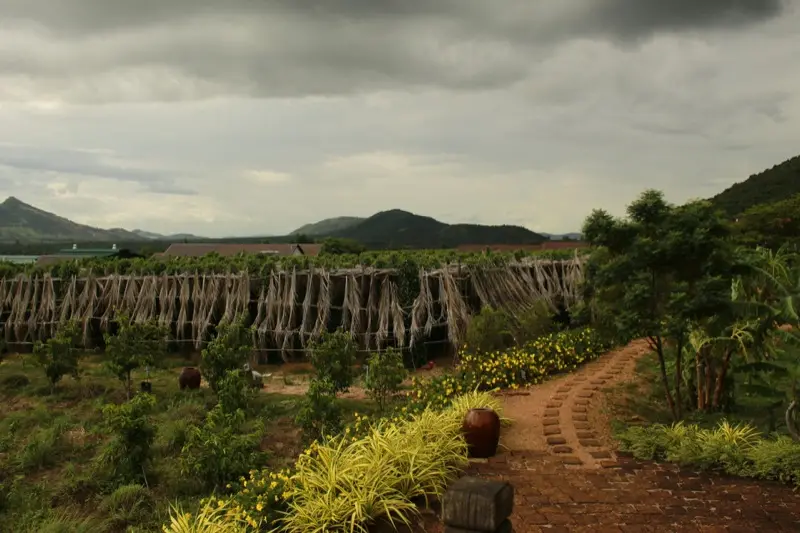
- Pepper: La Plantation says fully ripe bunches are picked by hand from March or April, over a harvest of about three months. The vines are worth visiting all year.
- La Plantation booking: book a visiting slot online from October to March. From April to September you can just turn up. Open daily 9am–6pm, last visit 4pm.
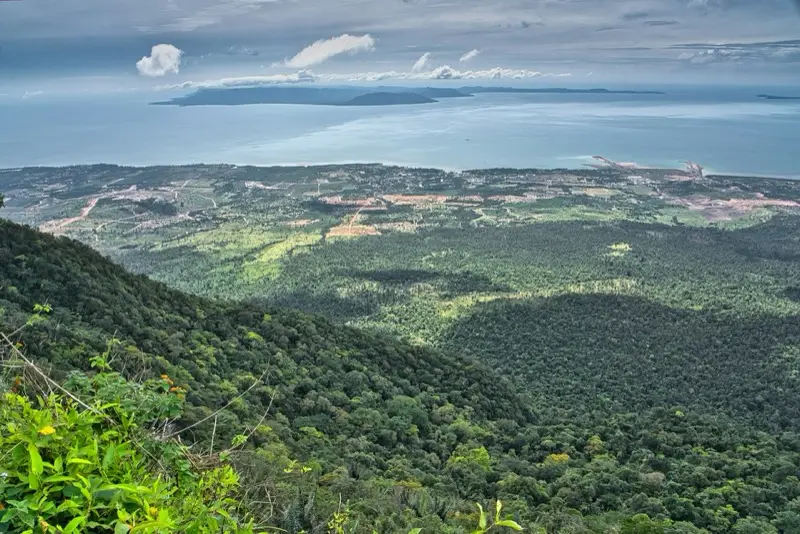
- Bokor views: clearest on dry-season mornings, especially December to February. Fog is possible any time of year, and more common in the rainy season.
- Popokvil waterfall: at its best from about May to October, often a trickle from December to April.
- Secret Lake: fullest at the end of the rainy season, around October and November. In the dry season it shrinks and dead tree trunks show.
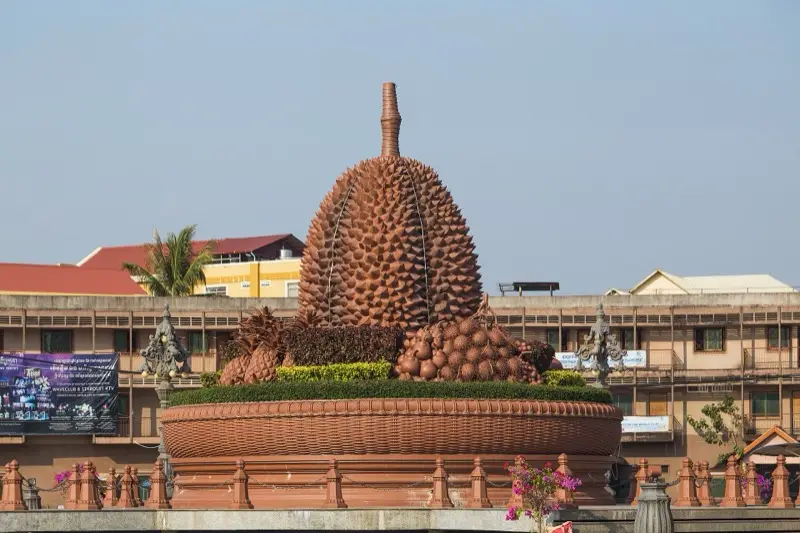
- Durian: about mid-May to July.
Khmer holidays: dates and what they mean for you
The big festivals follow the lunar calendar, so the dates move each year. On these days many Cambodians travel home or to the coast, so Kep and Bokor get busy with domestic visitors, buses fill up and some family-run places close for a few days. Book transport early.
| Holiday | When | Good to know |
|---|---|---|
| Khmer New Year | Mid-April; 14–16 April in 2026 | The biggest holiday of the year. Expect water fights, busy beaches in Kep and crowds on Bokor. |
| Pchum Ben | September or October; 10–12 October in 2026 | The festival of the ancestors. Families bring offerings to pagodas early in the morning. Dress modestly if you visit a temple. |
| Water Festival (Bon Om Touk) | October or November; 23–25 November in 2026 | The famous boat races are in Phnom Penh. Roads to and from the capital can be busy. |
Holidays aren't a reason to stay away: the atmosphere is part of the fun. Just avoid planning a long bus journey for the first or last holiday day.
Best time of day for each stop
Whatever the month, avoid long walks in the 11am–2pm heat, and in the rainy season do outdoor stops in the morning.
| Stop | Best time | Why |
|---|---|---|
| Phnom Chhngok cave temple | Early morning | About 200 steps; cooler before 10am |
| La Plantation | Morning, or arrive well before 4pm | Last visit at 4pm; the private Sunset Tour runs 3–5pm |
| Secret Lake | Late afternoon | Soft light on the water |
| Salt fields | Late afternoon (January–May) | Workers carry baskets of salt; best light |
| Bokor | Leave Kampot about 8am | Clearest views in the morning; be down before dark |
| Kep crab market | Lunchtime | The natural sitting for a crab lunch |
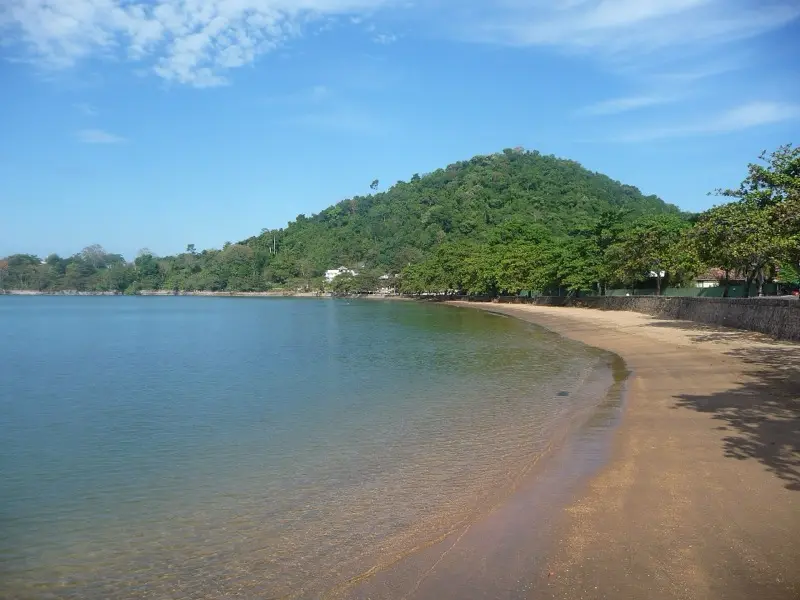
| Kep National Park | Morning, or Sunset Rock late in the day | Shade and cooler air on the trail |
| River sunset boat | Board 5–5:30pm | About two hours, back after dark |
| Rabbit Island | Morning boat | Shared boats have generally left in the morning and returned mid-afternoon |
| Provincial museum | 8–11am or 2–5pm | Opening hours; a good place to sit out the midday heat or rain |
For a countryside day, start around 8am, or do a 1–6pm afternoon loop that ends at the salt fields at sunset. The countryside guide has both routes in detail.
So when should you go?
- For clear Bokor views and the easiest weather: December to February.
- For the salt harvest: February to April, and accept the heat.
- For green landscapes, the waterfall and fewer people: June to October, with morning starts. See Kampot in the rainy season.
- For a bit of everything: November, as the rains ease while the lake is full and the countryside still green.
Whenever you come, see how many days in Kampot for ready-made itineraries and things to do in Kampot for the full list.
Ride with Seth
Seth was born in Kampot and has guided here for 12 years through every season, so he times the day to the month: late-afternoon salt fields in harvest season, early starts when the rains come, and Bokor on the clearest morning of your stay. He's rated 5.0 on Tripadvisor, and from October to March he can book your La Plantation slot. Start with the Kampot Countryside Tour or the Bokor Mountain Day, and message Seth for a fixed quote on WhatsApp (+855 96 694 6137).
FAQ
What is the best month to visit Kampot?
January or February: dry, clear and with the salt harvest under way. December is just as dry but busier around Christmas and New Year.
When is the rainy season in Kampot?
Roughly May to October, with the most rain in August. October is still very wet; November is the changeover month.
When can you see the salt harvest?
Roughly January to April or May, peaking in March and April, best in the late afternoon. From about May to November the pans are idle.
When are the views clearest on Bokor?
On dry-season mornings, especially December to February. In the rainy season the plateau is often in cloud, but Popokvil waterfall is at its best.
Is Kampot busy during Khmer New Year?
Yes, in its own way: Kep and Bokor fill up with Cambodian families in mid-April and buses get busy. It's a fun time to be here, but book transport and rooms early.