Yes, Kampot is generally a safe, relaxed place to visit, and for most visitors the biggest hassles are the heat and the odd late bus. Serious crime against visitors is rare. The real risks are the ordinary ones: traffic, especially if you ride a scooter, the heat, mosquitoes, and the river after heavy rain. Here's what we tell friends who visit, in 2026, without scaremongering.
On this page
The short version
- Biggest risk: the roads. Take care on a scooter, and avoid riding at night.
- Crime: mostly petty, and less common than in Phnom Penh or Sihanoukville.
- Scams: few, and mostly about agreeing prices.
- Health: heat, dengue mosquitoes, stray dogs and drinking water. Get travel insurance that covers evacuation.
- Water: respect the river's current, especially in the rainy season.
- Emergency numbers: police 117, fire 118, ambulance 119.
Road safety: the real risk
Cambodia has one of the highest road accident rates in South-East Asia, and the UK government's travel advice notes that travelling after dark significantly increases the risk. Kampot town itself is slow-moving, but the main roads out (National Road 3 and the road to Kep) carry fast trucks and buses, and motorbikes regularly come at you on the wrong side of the road.
- On a scooter: only ride if you're experienced and properly licensed, wear a helmet, and don't ride after dark or after drinking. Most travel insurance won't cover you otherwise. Our getting around Kampot guide covers licences, insurance and rental tips.
- In a tuk-tuk: keep arms and bags inside, and hold on over bumps. A good driver goes at a sensible speed; if yours doesn't, ask him to slow down.
- Long journeys: travel between cities in daylight if you can, and wear a seatbelt in cars.
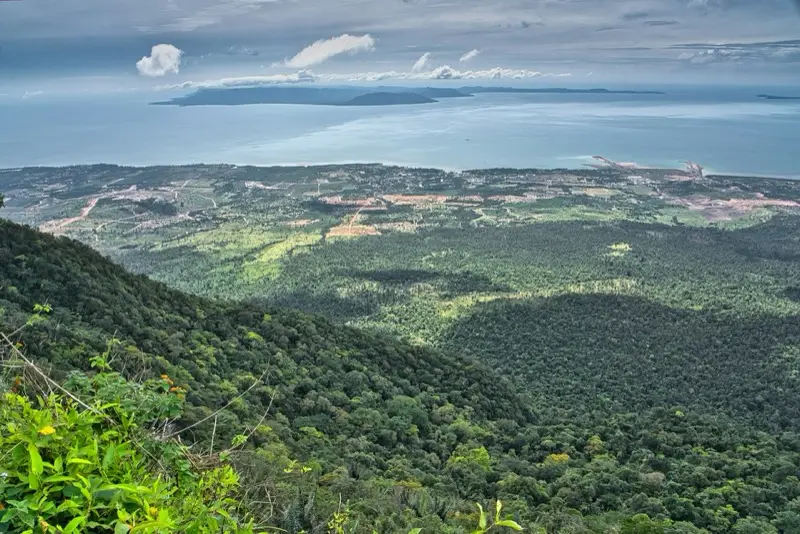
- Bokor: the mountain road is well paved but steep, with hairpins and no street lights, and fog rolls in quickly. Plan to be down before dark. See Bokor by tuk-tuk.
Crime and scams
Most crime affecting visitors in Cambodia is opportunistic: bag and phone snatching, usually by thieves on motorbikes, mostly in Phnom Penh and around Sihanoukville. It's much rarer in Kampot, but the same habits help everywhere: carry your bag on the side away from the road, don't hold your phone out at the roadside, and keep valuables on you rather than in a bag at your feet on buses.
Kampot isn't a scam town. The things that do catch people out:
- Prices agreed vaguely, or not at all. Agree the fare before any tuk-tuk ride or tour, and ask "per tuk-tuk or per person?" Our tuk-tuk prices guide lists fair 2026 ranges.
- Scooter rentals. Don't leave your passport as a deposit, and photograph the bike before you ride off so you can't be blamed for old scratches.
- Change. Fake US dollar notes are occasionally given as change in Cambodia, and torn notes are often refused. Check what you get back.
- Visa "extras" at land borders. If you arrive overland from Vietnam and get a visa on arrival, the fee is $30; politely decline extra "fees". See Ha Tien to Kampot.
- Drinks. Drink spiking has been reported in some bars in Cambodia, and methanol in cheap or counterfeit spirits has killed people. Stick to established bars, branded bottles and beer, and never leave a drink unattended.
Kampot at night
Kampot is quiet in the evening. The riverside and the streets around the old market have restaurants and bars, and many places wind down well before midnight. Beyond the centre, streets are poorly lit and there are stray dogs, which can be territorial at night. If you're staying at one of the riverside guesthouses upriver, arrange a tuk-tuk back rather than walking along an unlit road. The usual common sense about walking alone late at night applies.
Health
Heat. Daytime highs are around 30–33 °C all year, and April and May are the hottest. Drink plenty of water, wear a hat and sunscreen, and plan outdoor sightseeing for the morning or late afternoon.
Dengue. Cambodia has dengue fever, spread by mosquitoes that bite during the day, and cases usually rise in the rainy season (roughly May to October). Use repellent, especially in the early morning and late afternoon, and wear light long sleeves at dusk. If you get a high fever, severe headache or body aches, see a doctor rather than waiting it out, and avoid ibuprofen and aspirin until dengue has been ruled out.
Dogs and rabies. Rabies exists in Cambodia. Don't pet stray dogs or approach monkeys, and if you're bitten or scratched, wash the wound well and get medical help the same day. Ask a travel clinic whether pre-exposure rabies shots make sense for your trip.
Water and food. Don't drink the tap water; bottled or filtered water is everywhere, and many cafés and guesthouses refill bottles. Street food that's cooked fresh in front of you is generally fine.
Medical care. Kampot has a provincial hospital, clinics and pharmacies for minor problems. For anything serious, the better hospitals are in Phnom Penh, about three hours away. Make sure your travel insurance covers medical evacuation, and see a travel clinic about vaccines and malaria advice before you go.
Swimming and the river
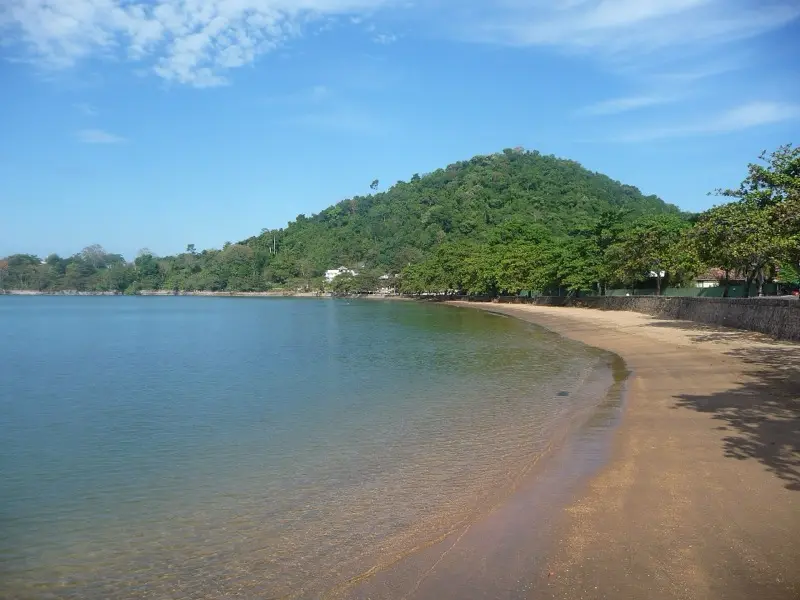
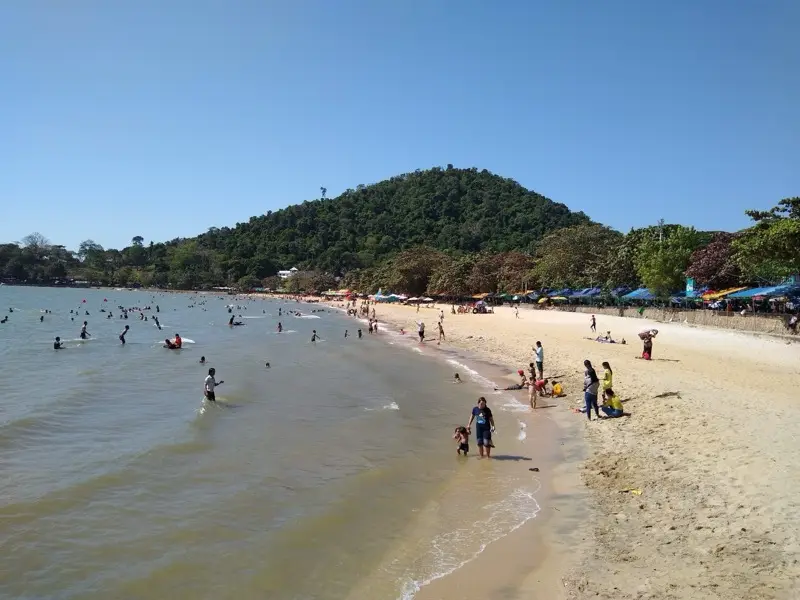
The Kampot river looks lazy, but the UK government warns that river currents in Cambodia can be extremely strong, and there have been fatalities. Many riverside guesthouses have swimming platforms, and a dip in calm water on a dry-season afternoon is lovely. Be careful after heavy rain and through the rainy season, when the current is fast and the water carries debris. Watch for boats, and never swim at night or after drinking. At Teuk Chhou rapids, the water can be powerful in the wet season; stay in the shallow, calm sections. At the beach in Kep, ask locally about jellyfish before you swim; the UK government notes that jellyfish stings near the shore in Cambodia can be serious.
Countryside and Bokor
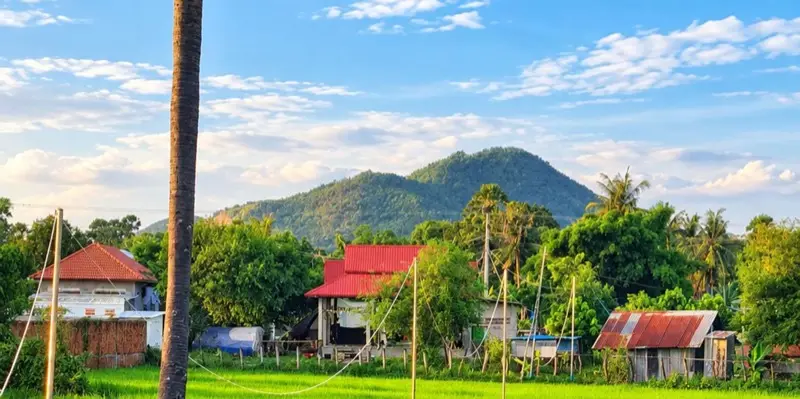
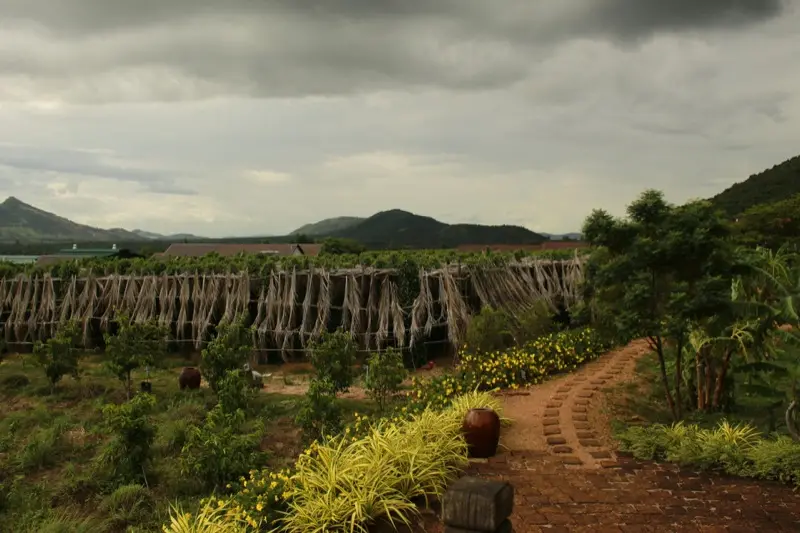
The countryside around Kampot is farmland and villages, and visitors are welcomed. Cambodia still has landmines in some rural areas, and the official advice everywhere is to stay on main paths and not wander into overgrown land in remote places. On the normal routes to the salt fields, pepper farms, caves and Secret Lake, that isn't something you need to worry about; a local guide will keep you on the right track anyway. On Bokor, bring a jacket or raincoat: the plateau is around 1,000 m up, often foggy, and noticeably cooler than town.
Emergency numbers and help
| Service | Number |
|---|---|
| Police | 117 |
| Fire | 118 |
| Ambulance | 119 |
The tourist police number published in official travel advice is for Phnom Penh; we couldn't verify a dedicated tourist police number for Kampot. In practice, your guesthouse or hotel is the fastest first call: they'll know the nearest clinic or police post and can translate. Save their number, your embassy's number and your insurer's emergency line in your phone before you go out.
If you've seen news about tension on the Cambodia–Thailand border, that dispute concerns the Thai border, a long way from Kampot. Check your own government's travel advice for the current situation before you travel.
Ride with Seth
Seth was born in Kampot, has spent 12 years showing travellers around from his tuk-tuk and is rated 5.0 on Tripadvisor. A local driver takes most of the risk out of a trip here: no scooter on National Road 3, no haggling, and someone who knows the roads and when to head down from Bokor. He'll pick you up from your bus drop-off or your hotel. Plan a custom day and message Seth on WhatsApp for a fixed quote.
FAQ
Is Kampot safe for solo female travellers?
Kampot is small and quiet, and serious crime against visitors is rare. The usual precautions apply: take a tuk-tuk home late at night, watch your drink, and keep your bag on the side away from the road.
Is it safe to rent a scooter in Kampot?
It's the riskiest thing most visitors do here. If you're an experienced rider with the right licence and insurance, wear a helmet and avoid night riding, it's manageable. If you've never ridden before, take a tuk-tuk.
Can you swim in the Kampot river?
Many people do, from guesthouse platforms in calm conditions. Avoid swimming after heavy rain, at night, or after drinking, and watch for boats.
What is the emergency number in Cambodia?
Police 117, fire 118, ambulance 119. Your guesthouse can help you call and explain where you are.